Table of Contents
It’s fascinating to explore how spa robes have transformed throughout the decades, reflecting shifts in style, comfort, and functionality. Shedding light on these changes, they reveal not only advancements in fabric technology but also evolving notions of luxury and relaxation. The evolution of spa robes, from the simple and practical designs of the early 20th century to today’s plush, oversized options, spa robes have become synonymous with indulgence. This blog post researches into the design trends that shaped spa robe aesthetics, providing insights into their journey and significance in contemporary wellness culture.
The Rise of Spa Culture: 1920s-1940s

As the allure of relaxation and self-care blossomed in the early to mid-20th century, spa culture emerged as a luxurious lifestyle choice among the affluent. The 1920s ushered in a newfound appreciation for wellness retreats, where individuals sought refuge in healing environments. Elegant spas flourished across the United States and Europe, offering a plethora of treatments that promised rejuvenation and refinement. This era not only embraced the spa experience but also laid the groundwork for the design and functionality of spa robes that would evolve in subsequent decades.
- Luxurious Beginnings: The Influence of Hollywood
The early days of Hollywood significantly influenced spa culture, as stars like Harlow and Gable frequented wellness retreats, projecting an image of glamor and tranquility. Their lifestyle choices prompted fans to emulate the spa experience, leading to a growing demand for comfortable yet chic garments. Spa robes became synonymous with luxury, mirroring the elegant designs seen on screen. Manufacturers began crafting robes that reflected the elegance of Hollywood, incorporating flattering silhouettes and opulent materials that appealed to the masses yearning for a taste of that Hollywood glamour.
- Fabric Selection: Cotton and Terrycloth Take Center Stage
During the 1920s through the 1940s, a notable shift in fabric selection occurred with cotton and terrycloth emerging as preferred materials for spa robes. These textiles offered unmatched comfort, absorbency, and ease of care, making them ideal for leisurewear associated with spa environments. Cotton’s softness allowed for a cozy wrap experience post-treatment, while terrycloth brought added functionality with its absorbent nature, perfect for a day spent lounging by the pool or indulging in soothing baths. This selection laid the foundation for future spa robes, as designers began to focus on combining practicality with elegance, creating robes that catered to both comfort and style.
Mid-Century Modernism: 1950s-1970s
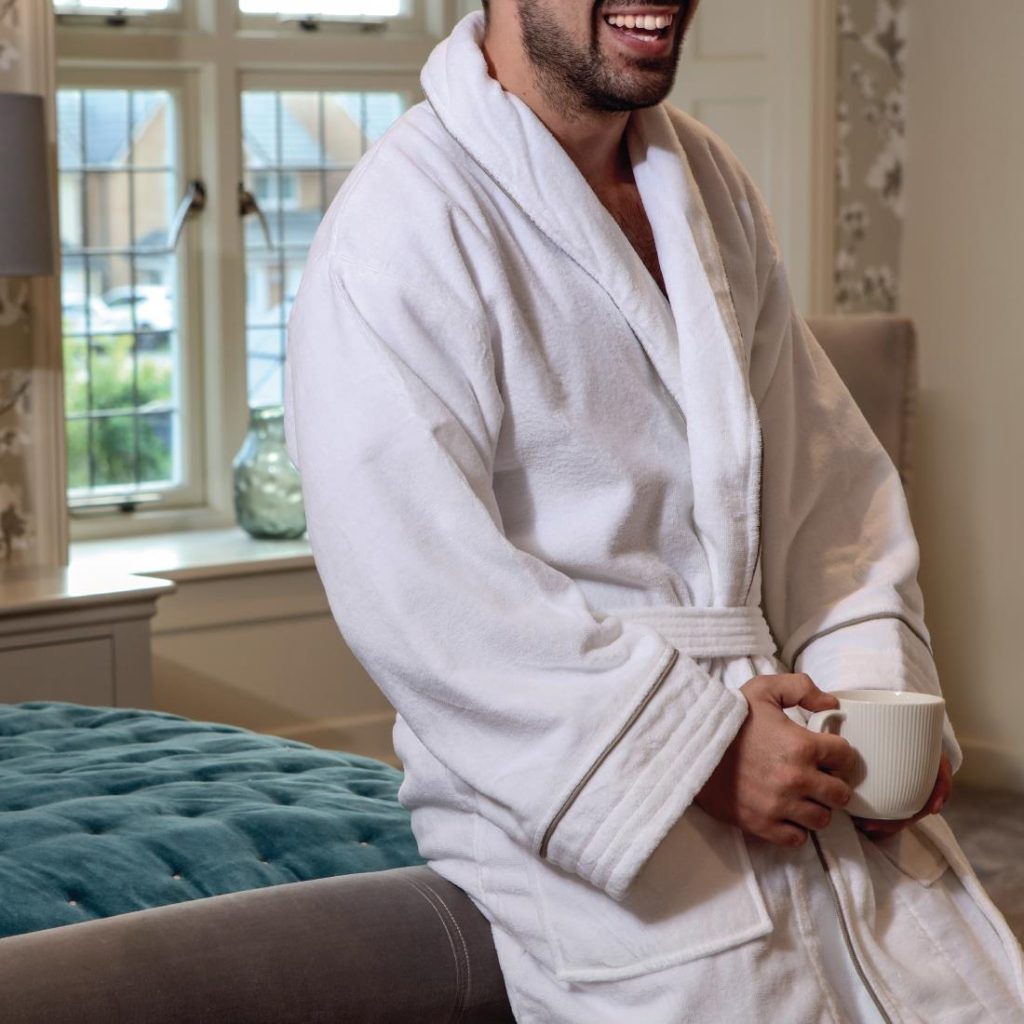
The mid-20th century marked a significant shift in spa robe design as the era embraced mid-century modernism, characterized by sleek lines, organic forms, and functional aesthetics. Spa robes transitioned from the ornate details of earlier decades to a more streamlined and utilitarian appearance. Designers sought to create garments that reflected the optimism and dynamism of post-war America while providing comfort and ease, leading to innovative fabrics and tailoring techniques that prioritized wearability and style. This period saw the introduction of fabrics like terry cloth and cotton blends, offering a luxurious yet practical spa experience.
- The Shift to Minimalism: Clean Lines and Simple Styles
Minimalism took center stage during this period, prioritizing clean lines and simple silhouettes. Robes became less about excess decoration and more about showcasing a refined elegance. He and she were drawn to designs that exuded sophistication while maintaining comfort, often favoring straightforward cuts that could be easily paired with various spa treatments. The emphasis on simplicity in design reflected a broader lifestyle trend, where people sought calmness and minimal clutter in both fashion and living spaces.
The Role of Color in Spa Robes: Pastels Versus Bold Hues
Color choices in spa robes during the mid-century modernism era represented a fascinating dichotomy. Pastel shades dominated the landscape, providing a serene and calming atmosphere that resonated with spa-goers aiming for relaxation. Soft mint greens, pale pinks, and delicate blues evoked a sense of tranquility. In contrast, bold hues also found their place in spa settings, with vibrant oranges and deep blues appealing to those who sought a more energetic vibe. This interplay between pastel softness and bold vibrancy mirrored the diverse experiences individuals sought at spas, enhancing both the ambience and personal expression.
- The Health and Wellness Movement: 1980s-1990s
The health and wellness movement of the 1980s and 1990s significantly impacted spa culture, leading to increased demand for luxurious, comfortable spa robes. Practicality complemented elegance, as guests sought garments that not only exuded relaxation but also facilitated the flourishing wellness trends of the era. The growing preference for self-care began to intertwine with the concept of leisure at spas, encouraging influential brands to adopt plush materials and offer versatile styles tailored for holistic healing experiences.
- Customization and Personalization: Bathrobes as Identity
As the wellness industry matured, bathrobes evolved from simple garments to expressions of personal identity. Many establishments began offering customization options, allowing guests to embroider their names or choose colors that reflect their unique style. This movement emphasized the importance of individuality within the comforting environment of spas, where guests could not only unwind but also leave with a tangible reminder of their personalized experience, further enhancing their sense of belonging and self-care.
- Material Innovations: Fleece and Bamboo Fabrics
The introduction of innovative materials like fleece and bamboo dramatically transformed spa robes during the 1980s and 1990s. Fleece became popular for its outstanding warmth and softness, appealing to those seeking comfort in cooler climates or during spa treatments. Bamboo fabrics emerged as a sustainable, eco-friendly alternative, boasting natural antibacterial properties and moisture-wicking capabilities. Guests appreciated these advancements, as they stood for both luxury and environmental consciousness, aligning well with the rising trend of mindful living.
Fleece robes provided an unparalleled level of coziness, becoming synonymous with relaxation as guests indulged in spa services. They were lightweight yet insulating, suitable for both indoor and outdoor settings. Meanwhile, bamboo’s rise in popularity was not only environmental but also rooted in its hypoallergenic nature, making it ideal for sensitive skin. The combination of these fabric choices allowed bathrobes to adapt to guests’ needs, establishing a deeper connection between comfort and conscious consumerism in the wellness landscape.
The Digital Age and Its Impact on Spa Attire: 2000s-Present
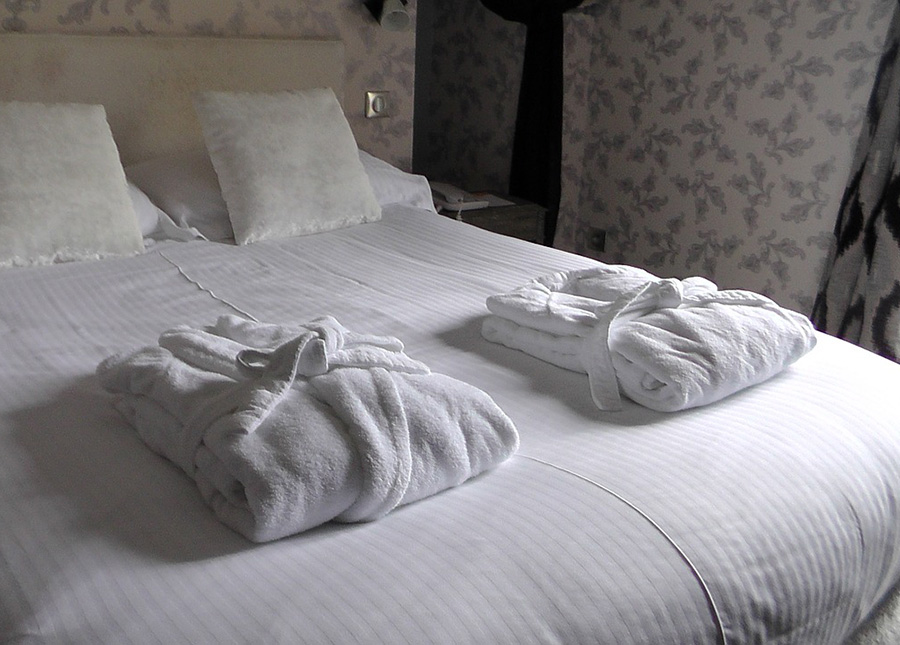
Current trends in spa robes reflect a newfound emphasis on comfort, versatility, and eco-conscious design. With the rise of wellness culture and social media influence, spa attire has evolved into a fashion statement that combines relaxation with style. They are no longer confined to the treatment rooms but are often worn at home, during travel, and leisure activities, blending seamlessly into everyday life. Today’s consumers seek robes that not only offer comfort but also align with their values, emphasizing the importance of aesthetics in wellness attire.
- The Rise of Eco-Friendly Fabrics and Sustainable Practices
Brands increasingly prioritize sustainability, crafting spa robes from organic cotton, bamboo, and recycled materials. This shift towards eco-friendly fabrics is not merely a trend; it signifies a broader cultural movement towards environmental responsibility. Consumers are now looking for products that reduce their carbon footprint, and many spa brands are responding by emphasizing ethical sourcing and production practices without compromising quality.
- Fashion Meets Function: Technological Enhancements
Technological advancements have ushered in innovative spa robe designs, seamlessly blending fashion with functionality. Features such as moisture-wicking fabrics, temperature-regulating materials, and antibacterial properties cater to modern consumer preferences. Smart textiles that can monitor body temperature or even provide soothing elements, like built-in aromatherapy, exemplify how technology is revolutionizing the spa experience, making robes not just comfortable but also beneficial to well-being.
Some brands have begun to integrate advanced textile technology designed for enhanced user experience. For instance, moisture-wicking fabrics are ideal for those who enjoy warm steam rooms or saunas, helping to keep the wearer dry and comfortable. Innovations like integrated heating elements or materials that adjust to changes in body temperature offer spa-goers an unprecedented level of luxury. By incorporating these features, spa robes are becoming more than just simple garments; they are tools for enhancing relaxation and promoting wellness.
Looking Ahead: Future Trends in Spa Robes
Anticipating the future of spa robes reveals promising innovations geared toward enhancing user experience. As wellness continues to intertwine with technology and sustainability, the evolution of spa attire is likely to embrace more eco-friendly materials, ergonomic designs, and customizable options. A fusion of fashion and function will pave the way for robes that elevate relaxation while aligning with the health-conscious consumer’s lifestyle.
- Intuitive Design: The Integration of Wearable Technology
Emerging trends highlight the integration of wearable technology in spa robes, focusing on enhancing comfort and convenience. Smart fabrics equipped with temperature regulation or moisture-wicking properties may transform the way individuals experience relaxation, allowing for a tailoring effect in soothing environments. This evolution draws on data tracking to promote well-being and personal comfort through innovative textiles.
- The Influence of Global Cultures on Spa Fashion
Global cultures increasingly shape the aesthetics and functionality of spa robes, creating a rich tapestry of influences. Traditional elements from various cultures, such as Japanese kimono-style wraps or the luxurious fabrics found in Middle Eastern hammams, are being reimagined in contemporary designs. This blending of global styles not only speaks to diverse sensibilities but also introduces varied textures and silhouettes that resonate with a wider audience.
The infusion of global cultures into spa fashion has led to exciting adaptations in robe designs. For instance, luxurious silk robes inspired by Chinese traditions offer elegance, while the soft, breathable cotton typical of Indian Ayurvedic practices aligns with comfort and sustainability goals. These influences showcase how spa attire can transcend geographic boundaries, combining comfort with cultural authenticity, thus appealing to an internationally diverse clientele seeking unique wellness experiences. As spa enthusiasts appreciate the stories behind their attire, the market is likely to expand to reflect this cultural tapestry, welcoming even more innovative designs that celebrate heritage and fusion.
Conclusion
So, the evolution of spa robes reflects not only changing design trends but also the shifting priorities of comfort and luxury over the decades. They have transformed from basic fabrics into sophisticated garments that emphasize both style and functionality. As they move forward, you can expect continual innovation, showcasing materials that enhance relaxation experiences while meeting modern aesthetic demands. The journey of spa robes illustrates a fascinating interplay between tradition and contemporary design, ensuring that this imperative wellness garment remains a staple in self-care culture.