Table of Contents
Bathrobe materials have grown in importance over time as bulk buyers look for functionality and quality. You will learn the main distinctions between microfiber vs cotton robes in this useful guide, which will assist you in making wise purchases. Knowing the advantages and disadvantages of each material guarantees that they choose the ideal robe that suits their requirements and tastes, whether it is for hospitality, wellness facilities, or promotional handouts. By paying close attention to comfort, style, and durability, they will learn how to improve their purchasing experience.
Weighing the Fiber Options: Microfiber vs Cotton Robes
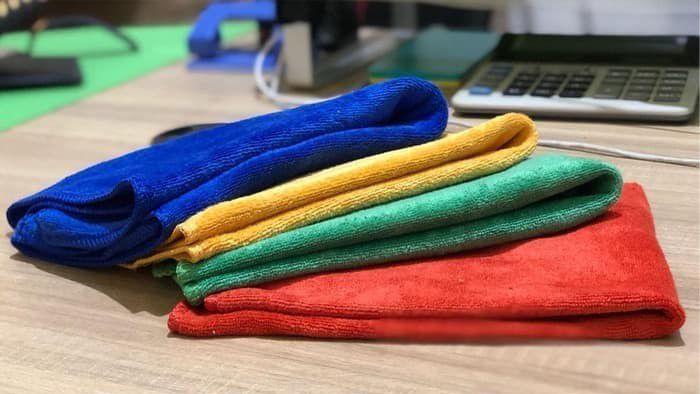
The choice between microfiber and cotton robes involves understanding how each material performs in various applications. While microfiber boasts durability and quick-drying capabilities, cotton offers unmatched breathability, contributing to a more traditional robe experience. For bulk purchasers, the decision may hinge on the specific needs—e.g., hotel guests may prefer the luxury of cotton, while spas might lean towards microfiber for its fast turnover and ease of maintenance.
- Composition and Construction
Microfiber is composed of synthetic fibers, typically polyester and polyamide, which are tightly woven to create a lightweight yet highly absorbent fabric. In contrast, cotton is derived from natural plant fibers, resulting in a soft, breathable material. The construction of microfiber creates a smooth finish that can repel moisture, while cotton’s loose weave allows for better airflow, making it ideal for warmer climates or lounging.
- Texture and Comfort
Texture and comfort vary significantly between microfiber and cotton, each appealing to different preferences. Microfiber provides a silky-smooth feel against the skin, leading to a cozy experience during chilly evenings. Conversely, cotton is softer and more versatile, allowing for varying levels of warmth depending on the weave used. In colder months, plush cotton robes wrapped in a terry texture can offer warmth, while lighter cotton robes can keep individuals cool and comfortable in summer.
The Cost Factor: Is Microfiber or Cotton More Economical?
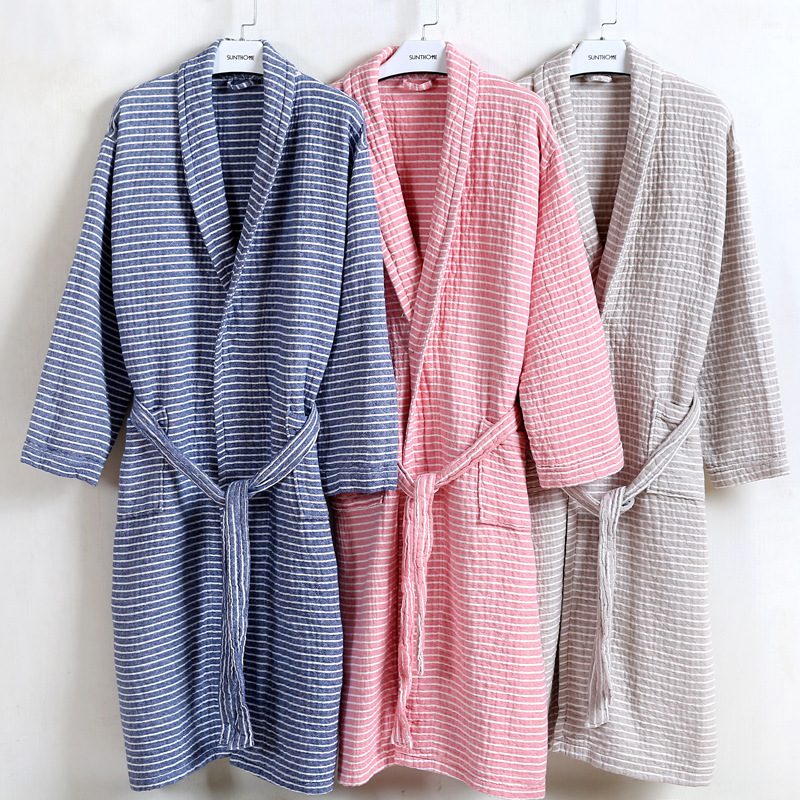
Evaluating the cost-effectiveness of microfiber and cotton robes involves analyzing various financial aspects, including initial purchase prices, longevity, and maintenance. While the upfront costs for these materials may differ, their overall economic impact can vary based on usage and care factors. Bulk purchasers must consider not just the sticker price but also the long-term investment associated with each fabric choice.
- Initial Purchase Price vs. Longevity
Microfiber robes typically have a lower initial purchase price compared to their cotton counterparts. However, while microfiber may appear cheaper initially, the longevity of cotton robes, often lasting years longer with proper care, can make them a more economical choice over time. If bulk buyers prioritize longevity, they might find that investing in quality cotton robes pays off by reducing replacement costs.
- Maintenance and Care Costs
When considering maintenance, microfiber generally requires less care than cotton. Microfiber fabrics are often machine washable and quick-drying, leading to lower utility costs. Conversely, cotton robes may need more delicate washing and drying processes that could contribute to higher expense over time. Accurate projections of total costs should account for water, energy, and detergent expenses associated with each fabric.
In a cost analysis, maintenance and care should not be underestimated. Microfiber’s resistance to staining and minimal shrinking means fewer laundry cycles required, which translates to savings in water and energy bills. Meanwhile, cotton’s propensity to wear out over time can lead to additional costs from laundering and potential repairs. Bulk purchasers might find that selecting low-maintenance microfiber could significantly reduce their total expenditure, even if cotton offers other appealing qualities such as breathability and comfort.
Performance Under Pressure: Absorbency and Drying Time
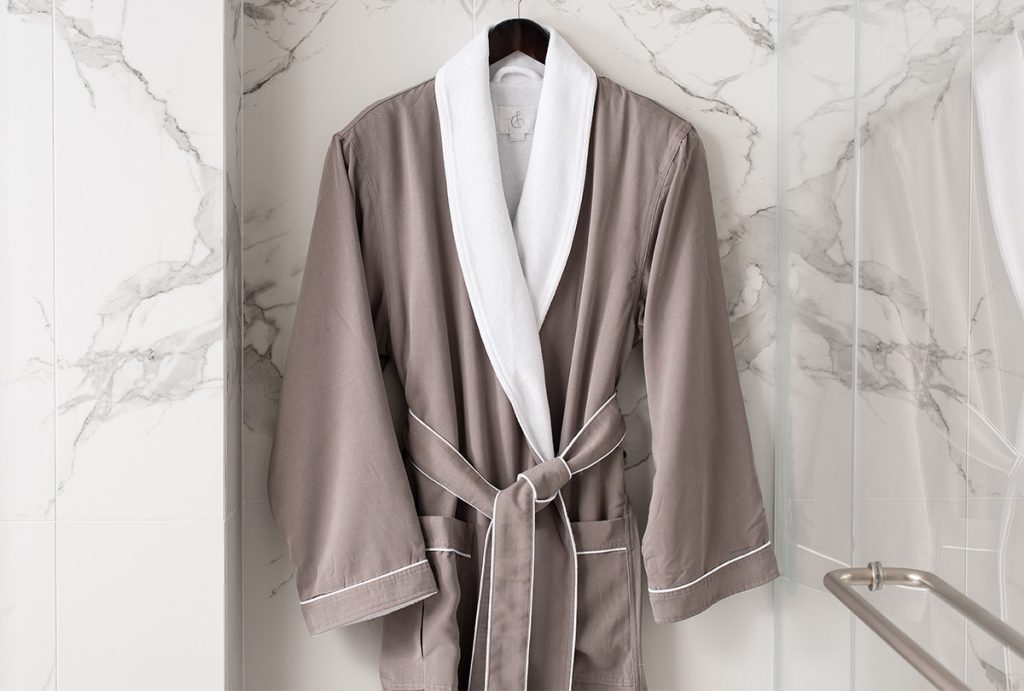
Choosing between microfiber and cotton robes requires understanding their performance in absorbency and drying time. Absorbency is vital for any bath or spa setting, serving to effectively wick moisture away from the body. Microfiber generally outperforms cotton in this regard, capturing up to seven times its weight in water, making it an efficient option for quick drying without sacrificing comfort. Conversely, cotton, while naturally absorbent, tends to take longer to dry, which can be a consideration during high-volume usage scenarios.
- Understanding Water Retention Capabilities
Microfiber’s water retention capabilities are largely due to its fine fibers, which create a dense yet lightweight structure. This allows it to hold a significant amount of moisture without feeling heavy or soggy. Cotton, with its thicker fibers, also absorbs well but may not release that moisture as easily. In environments with high turnover, such as hotels or spas, the choice between these materials can influence guest satisfaction. Providing quick-drying robes enhances the overall experience, making microfiber a strong option for bulk purchases.
- Speed of Drying and Its Implications
In situations with high demand, the drying speed of cotton and microfiber can have a significant impact on operational efficiency. Cotton robes usually take more than two hours to dry in a dryer, but microfiber robes can be done in less than an hour. This quick drying period makes it possible to replenish fresh robes more quickly and decreases laundry turnaround. For bulk buyers, this means cheaper costs and greater sustainability because microfiber’s smaller weight also means less energy is used during the drying process.
Consideration of drying speed extends beyond mere convenience; it can significantly impact service delivery in hospitality environments. For establishments where guest satisfaction hinges on immediate access to clean, dry robes, microfiber provides a tangible advantage. Investments in microfiber can lead to greater operational efficiency and reduced laundry costs, ultimately translating to a better experience for both staff and customers. This efficiency allows establishments to maintain a prompt service level, which is important in a competitive market.
Environmental Impact: The Sustainability Debate
Assessing the environmental impact of microfiber and cotton robes prompts an examination of their sustainability. With increasing awareness of ecological footprints, both fabrics showcase divergent paths in sourcing, production, and disposal. Cotton, a natural fiber, requires extensive water and land for cultivation, whereas microfiber, typically made from petroleum-based plastics, contributes to the growing concern of microplastics in ecosystems. Bulk purchasers are challenged to consider these factors when selecting garments that align with sustainable practices.
- Microfiber’s Footprint vs. Cotton’s Ecological Effects
Microfiber’s production generates higher carbon emissions due to its reliance on fossil fuels, while cotton farming often leads to pesticide use and water depletion. Each fabric’s ecological footprint varies, influencing choices for environmentally conscious buyers. He may find that while cotton is biodegradable, its cultivation can strain resources, whereas microfiber’s durability and lightweight nature may entrench consumers in a cycle of synthetic waste.
- The Lifecycle Analysis of Each Fabric
The lifecycle analysis of microfiber and cotton reveals significant differences in their environmental impacts. Cotton, requiring high water and energy inputs, also faces challenges in the form of chemical runoff from pesticides, affecting soil health and biodiversity. Conversely, microfiber’s production, although efficient, leads to ongoing concerns about microplastic pollution and energy-intensive production processes.
When exploring the lifecycle of these fabrics in detail, you can see that cotton undergoes various stages from growth to processing, necessitating substantial water resources and land use, which ultimately affect its sustainability profile. The growing concerns around cotton’s impact on ecosystems have prompted initiatives to promote organic and sustainable farming practices. On the other hand, while microfiber is often seen as a more efficient option, its petroleum-based nature contributes to long-term environmental damage due to microplastics entering water systems. Transitioning towards recycling and using more eco-friendly fibers may influence the final decision for bulk purchasers aiming for sustainability.
Consumer Preferences: Trends in Bulk Purchasing
Bulk purchasers increasingly gravitate towards robes that blend comfort, durability, and cost-effectiveness. Trends show a rising demand for both microfiber and cotton options, driven by factors such as consumer lifestyle changes, environmental consciousness, and the desire for high-quality products. Businesses catering to hospitality, wellness, and retail sectors are particularly focused on offering collections that meet diverse client needs while optimizing their supply chain efficiencies.
- Insights from Industry Data
Industry data reveals a notable shift in the preferences of bulk purchasers, with microfiber robes gaining significant traction over the past few years. Sales statistics indicate that microfiber robes have experienced a 25% increase in orders, attributed to their lightweight nature and quick-drying properties. Additionally, the average order size for bulk microfiber robes has risen by 15%, showcasing a growing commitment to these versatile garments in both commercial settings and consumer markets.
- Customer Feedback and Preferences
Customer reviews consistently highlight the perceived softness and luxurious feel of cotton robes, while others praise microfiber robes for their practicality and ease of care. Feedback often reflects a strong preference for robes that offer both comfort and longevity, emphasizing the importance of material selection in bulk purchases. Factors such as color options, size variety, and price point also play significant roles in influencing buyer decisions, leading to a more tailored approach in product offerings.
Specifically, bulk buyers frequently reference consumer reviews that highlight the compromise between convenience and comfort. Cotton’s luxurious feel appeals to many, but microfiber’s usefulness appeals to people who value ease of maintenance and speedy drying. Retailers’ and suppliers’ decisions are being influenced by this dichotomy. For example, a chain of spas recently decided to combine the two fabrics to expand their selection and satisfy customers who value the low-maintenance qualities of microfiber and the soft, classic feel of cotton. Such input influences decisions about inventory and future material sourcing, which in turn drives continuing product strategy.
Conclusion
Considering all points, bulk purchasers must evaluate the benefits and drawbacks of microfiber and cotton robes to make informed decisions. While microfiber offers quick drying and lightweight advantages, cotton is often favored for its traditional softness and absorption. Ultimately, the choice will depend on the specific needs and preferences of their clientele, as well as the intended use of the robes. By understanding these factors, they can ensure their selections align with quality and functionality demands.